





You will rarely have direct evidence of whistleblower retaliation. Most employers are well enough aware of the law to understand that they cannot leave any proof of wrongdoing. They know that they will face significant legal liability for retaliation. Accordingly, you will need circumstantial evidence that proves your case. The good news is that courts will accept circumstantial evidence, especially because they know that direct proof is rare. Still, you need to take steps to build your case, beginning right[…] Read More
Blog
At-Will Employment: What Does It Really Mean?

Most American workers are surprised to learn how little job security the law actually guarantees them. In New Jersey, employment is “at will,” meaning an employer can terminate a worker at any time, for almost any reason, with no notice required. However, at-will employment has limits, and understanding those limits matters. Certain firings are still illegal, regardless of at-will status. If you have been the victim of a wrongful termination, a New Jersey employment lawyer can represent you as you[…] Read More
Should I Continue to Work at My Job After Whistleblowing?
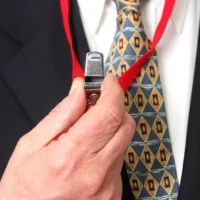
There is no one-size-fits-all answer to the question of whether you should continue to work at your job after whistleblowing. You must balance various factors that include your well-being, career, safety, and potential legal case against your employer for retaliation. The one constant is that if your employer has violated your rights in any way, you may file a lawsuit against them to seek compensation. If you choose to remain on the job, you must be vigilant to detect signs[…] Read More
How Should Employees Address Sexual Harassment of the LGBT Community?

Both federal and New Jersey law make sexual harassment of members of the LGBT community illegal. Statistics from the Equal Employment Opportunity Commission show that 35% of LGBT employees whose sexual orientation is known at work are victims of harassment on the job. No matter what form sexual harassment takes, you may be entitled to financial compensation when you can prove that you were the victim of it at work. It can be difficult to come forward, but you can[…] Read More
What Are Federal Whistleblower Protection Laws?

Whistleblowers play a critical role in exposing fraud, safety violations, and other unlawful conduct. To encourage individuals to come forward, federal law provides important protections against retaliation. If you are considering reporting misconduct, it is essential that you understand the federal laws that protect whistleblowers. What Is a Whistleblower? A whistleblower is an employee who reports illegal, unsafe, or unethical behavior by an employer or organization. This can include violations of law, fraud, gross mismanagement, abuse of authority, or threats[…] Read More